Seven years after returning to an Arsenal side suffering from technical and cultural collapse, Mikel Arteta now stands on the threshold of the most important match in the club’s modern era. The UEFA Champions League final against Paris Saint‑Germain is not just another game—it is the potential culmination of a reconstruction project that began from absolute zero.
From repeated runners‑up… to a long‑awaited title
Arteta has fully justified the club’s long‑term faith in him. This season, he guided Arsenal to their first Premier League title since 2004, ending three consecutive years of finishing as runners‑up. Now, he is one victory away from completing what could become the greatest season in Arsenal’s history.
Arteta said this week:
“We’ve raised the standards, and now we have to reach the next level.”
A different philosophy… not a Guardiola copy
Although Arteta absorbed much from Pep Guardiola during his years at Manchester City, he refused to take the easy path of imitation. Instead, he built a more pragmatic identity based on:
-
Spatial dominance
-
Organized high pressing
-
Rigid defensive discipline
-
A collective work ethic that never compromises
With this blend, Arsenal transformed from a team criticized for fragility into one capable of grinding out difficult wins.
Rebuilding from the inside out
When Arteta returned to the club in 2019, Arsenal’s identity was lost and the internal environment fractured after the turbulent final years of Arsène Wenger.
He said on The Overlap podcast:
“I was lucky the board understood how bad the overall picture was… and I wasn’t happy with what I found.”
Arteta didn’t just change tactics—he reshaped the club’s culture:
-
Motivational messages and symbols across the training ground
-
Reinforcing unity and responsibility
-
Building a tightly connected group
-
Even introducing a black Labrador named “Win” to strengthen the family atmosphere
These small details created a new environment that immediately reflected on the pitch.
Set pieces… the unexpected weapon
The appointment of Nicolas Jover as set‑piece coach in 2021 was a turning point. Arsenal became the most prolific team from corners in Premier League history, with more than a third of their goals coming from dead‑ball situations. This evolution elevated the team from “perennial contenders” to “champions capable of decisive moments.”
David Moyes summarized it perfectly:
“Mikel has footballing cunning and unconventional ideas… because he’s desperate to win.”
The power of the group… before the genius of the coach
Despite the praise he receives, Arteta insists the credit belongs to the players. After defeating Atlético Madrid in the semifinal, he said:
“It’s a joy to lead this group… the love, unity, and respect are incredible.”
The journey was far from smooth—early setbacks tested the project—but internal belief pushed Arsenal from “hopeful challengers” to “legitimate champions.”
A final with personal meaning
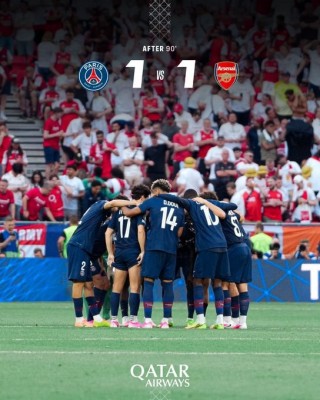
Now, Arsenal face Paris Saint‑Germain, one of Europe’s strongest sides and the club where Arteta began his professional career. It is a match with emotional undertones, but also the ultimate test of an entire project.
Arteta says:
“We have an incredible opportunity to write a new chapter in our club’s history.”