
Can Maresca replace Guardiola at the helm of Manchester City?
By Dr. Talal Al‑Osman – The GCC Sport
Questions are intensifying in English football as the season nears its end about the man who might step into one of the most daunting roles in the game: succeeding Pep Guardiola on the sidelines of Manchester City. The Catalan maestro, who redefined the style of play in England and turned City into an almost‑unbeatable machine over the past decade, may be preparing to leave the Etihad after 10 outstanding seasons—with Italian coach Enzo Maresca emerging as the leading candidate to take his place.
Guardiola… the end of an era?
Gossip around “Pep Guardiola’s departure” now outweighs talk of his staying, even though his contract runs until the summer of 2027. The British Broadcasting Corporation (BBC) has indicated that Manchester City are preparing for Guardiola’s exit after the team’s final league match against Aston Villa, while the Daily Mail has been more direct, stating he will leave his post after that Villa clash. Other sources describe internal preparations already underway at the club for a post‑Guardiola phase, including the expected departure of several members of his technical staff.
Since arriving in Manchester in 2016, Guardiola has guided City to 20 trophies in 10 years, including six Premier League titles, one UEFA Champions League crown, plus this season’s League Cup and FA Cup. Beyond statistics, he reshaped the club’s identity; possession‑based football and building from the back became central to City’s DNA, and “Guardiolism” left a clear mark on English football as a whole.
The Italian favorite: Enzo Maresca
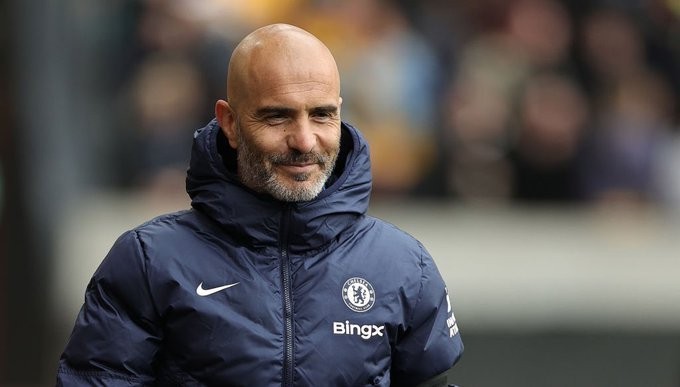
Amid all the speculation, Enzo Maresca stands out as the most natural heir. The 46‑year‑old Italian worked previously on Guardiola’s coaching staff at Manchester City and was deeply involved in shaping the club’s academy and tactical culture. He watched first‑hand how attacking philosophy and tactical discipline became the foundation of City’s success.
Before taking charge at Chelsea, Maresca led Leicester City to promotion to the Premier League. At Chelsea, he defied expectations by guiding a relatively young squad to the FIFA Club World Cup, winning the UEFA Europa Conference League, and securing qualification for the Champions League. His achievements drew praise from Guardiola himself, who once said: “Enzo Maresca is one of the best coaches in the world; what he achieved with Chelsea has not been fully appreciated.”
Can Maresca carry the torch?
The tougher question is whether Maresca can bear the weight of Guardiola’s legacy—not only in terms of trophies, but in meeting the sky‑high expectations of City’s owners and fans. Guardiola did not simply restore City to the top of English football; he taught supporters to expect overwhelming superiority and lopsided scorelines, with the team consistently dominating late stages of every season.
Maresca has several strengths: deep familiarity with City’s playing style and culture, experience in reviving smaller sides and turning them into competitive units, and a modern coaching vision that aligns closely with Guardiola’s principles, especially in emphasizing high‑press build‑up and immediate counter‑pressing after losing the ball. Yet he lacks Guardiola’s global prestige, which helps City dominate transfer negotiations. Maresca would also face immense media pressure at the Etihad; English media rarely forgive a City manager who slips in consistency or produces a single off‑form campaign.
Open‑ended scenarios
Even with Maresca’s strengths, Guardiola’s path is still not fully sealed. The Catalan has reversed his departure plans before, extending his contract twice, and he may opt to stay in Manchester, perhaps with a reduced workload, or to seek a fresh challenge in another top European league, especially if another crack at the Champions League sounds appealing. The club, in turn, may choose Maresca as a “safe, internal option” to ensure continuity of the project, or look instead to a more globally recognized name if it wants to send a bold message to the transfer market and supporters.
A strategic choice, not just a tactical one
Picking Maresca would be more than a coaching decision—it would be a strategic statement for the post‑Guardiola era. If Manchester City go with him, it will signal faith in the club’s internal project and in the quality of figures its own system has trained. Should the club opt for another world‑renowned manager, that step will be read as a deliberate rebranding of City’s identity after Guardiola’s legendary tenure.
In either case, Maresca faces a question that matters less for his own career than for the club as a whole: can he live up to Guardiola’s story, or will he be remembered simply as “the man who stepped out of the shadow,” in a brave but extraordinarily difficult attempt to fill the most prestigious void in modern English football?


