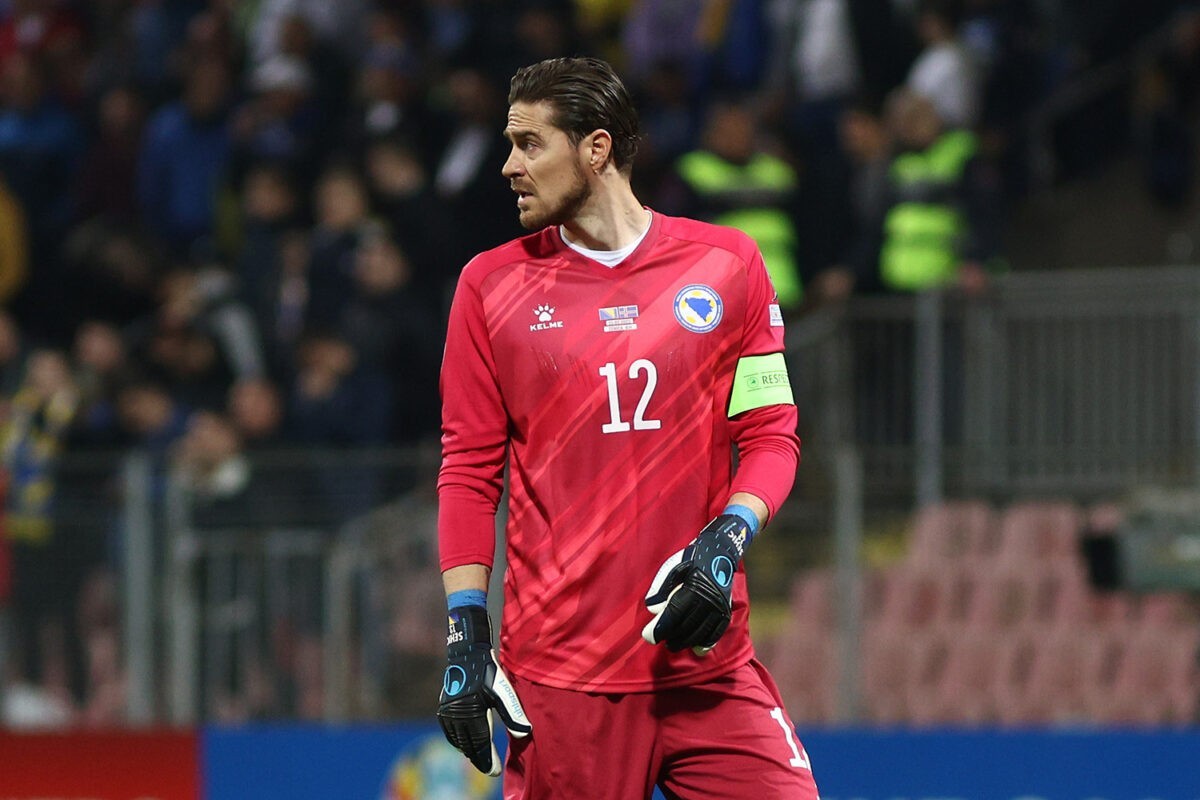
Goalkeeping remains the only position in football that does not fully submit to the physical decline associated with age. While the field shrinks for outfield players as they grow older, it expands for goalkeepers, who gain influence as their years of experience accumulate. This long‑standing reality is once again evident today, with a new generation of veteran goalkeepers continuing to appear at the highest levels, proving that age in this position is not an ending but the beginning of a more mature phase.
A Position Governed by the Mind Before the Body
The role of the goalkeeper differs fundamentally from all other positions on the pitch. While outfield players rely on speed, strength, and endurance, the goalkeeper’s craft is built on elements that grow stronger with time:
-
Reading the game — anticipating the direction of play before it unfolds
-
Positioning — taking the optimal stance to reduce shooting angles
-
Decision‑making — choosing the right moment to advance or stay
-
Managing pressure — handling decisive moments with composure
These components sharpen with experience, enabling veteran goalkeepers to exert greater control over matches, even when certain physical attributes begin to decline.
World Cup 2026: A Renewed Confirmation of an Established Phenomenon
The current World Cup in the United States has witnessed a notable presence of goalkeepers aged forty and above, reinforcing the persistence of this trend:
-
Craig Gordon — 43
-
Manuel Neuer — 40
-
Guillermo Ochoa — 40
-
Ibrahim Sehic — 40
-
Vozinha — 40
The presence of this many veteran goalkeepers in a global tournament underscores that this position continues to accommodate older players—and even allows them to excel.
Age as a Technical Asset, Not a Physical Burden
While players in other positions begin to lose parts of their physical capabilities with age, goalkeepers gain advantages that compensate for any decline:
-
Greater stability in decision‑making
-
Fewer mistakes due to accumulated experience
-
Enhanced ability to read attackers
-
Efficient movement that compensates for reduced speed
These factors make veteran goalkeepers more capable of organizing the defensive line and more influential in decisive moments.
Modern football reaffirms that goalkeeping is not merely a defensive role but a leadership position built on intelligence, experience, and mastery of fine details. For goalkeepers, age—often seen as a limitation in other positions—becomes a competitive advantage that elevates their performance.
It is a role won not by the strongest body, but by the calmest mind and the most seasoned judgment.