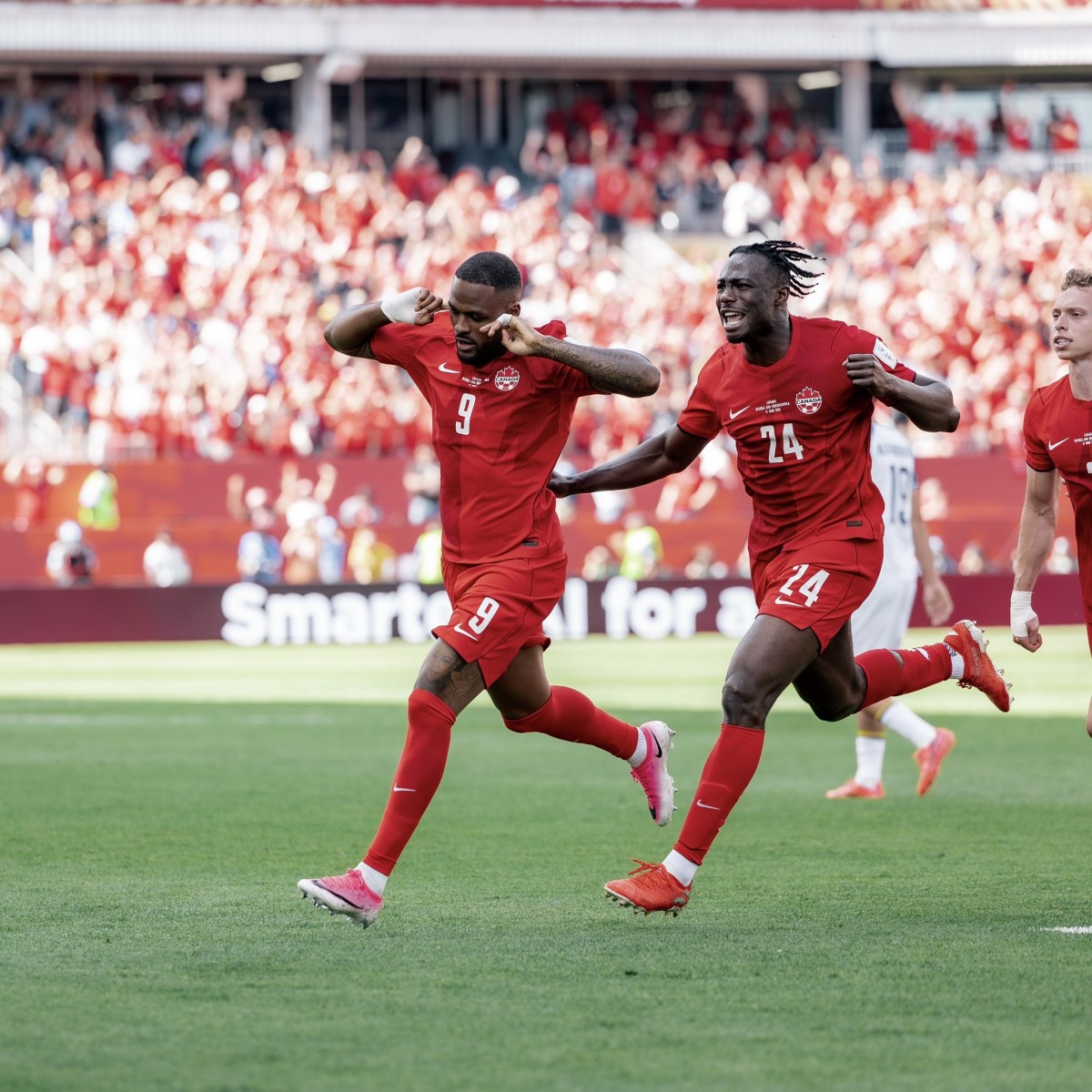
A Draw That Tastes Like Victory for Canada, and a Double Tactical Lesson from Both TeamsThis analysis offers a deep technical reading of the match, highlighting the tactical shifts, strengths and weaknesses, and the key moments that changed the course of the game.CanadaCanada entered the match with a 4-3-3 system based on high pressing and speed on the flanks.The main bet was on quick transitions through Alphonso Davies and Jonathan David (or Cyle Larin).The midfield played a dual role: winning the ball back and building direct attacks.BosniaBosnia relied on a 4-2-3-1 with a medium defensive block.They focused on organized counter-attacks and exploiting set pieces.Their core strength lay in defensive solidity and physical duels.Bosnian Superiority in EfficiencyAlthough Canada enjoyed a higher share of possession, Bosnia was more mature in converting opportunities.Their goal came from a set piece — a historical strength for the Bosnians.Canada suffered from poor defensive positioning on crosses and aerial balls.Canada’s Problems in the Final Third
Strengths: Speed, fitness, pressing, fighting spirit.
Weaknesses: Defensive organization, finishing, dealing with set pieces.Bosnia
Strengths: Defensive solidity, organization, set-piece threat, experience.
Weaknesses: Slowness in transitions, drop in fitness during the final 20 minutes.Historical Significance
Canada were not only the team with more desire, but also the more tactically evolved side. Bosnia played a smart match but could not withstand Canada’s growing pressure. The result was fair, yet it opens the door...
- Davies’ speed was not optimally exploited.
- The absence of a true No. 10 capable of creating a difference between the lines.
- Too many inaccurate crosses.
- He raised the offensive tempo significantly.
- Created genuine attacking depth.
- Forced the Bosnian defense to drop back 10–15 meters.
- 12 attempts on goal in the second half.
- Effective, not just superficial, possession.
- Variety in attacking methods: through balls, flank play, and long-range shots.
Strengths: Speed, fitness, pressing, fighting spirit.
Weaknesses: Defensive organization, finishing, dealing with set pieces.Bosnia
Strengths: Defensive solidity, organization, set-piece threat, experience.
Weaknesses: Slowness in transitions, drop in fitness during the final 20 minutes.Historical Significance
- Canada’s first point in World Cup history.
- Their first positive result in a World Cup match on home soil.
- A strong mental comeback after falling behind.
- A mature team performance that confirms the national team’s development.
Canada were not only the team with more desire, but also the more tactically evolved side. Bosnia played a smart match but could not withstand Canada’s growing pressure. The result was fair, yet it opens the door...