
By Dr Talal osman
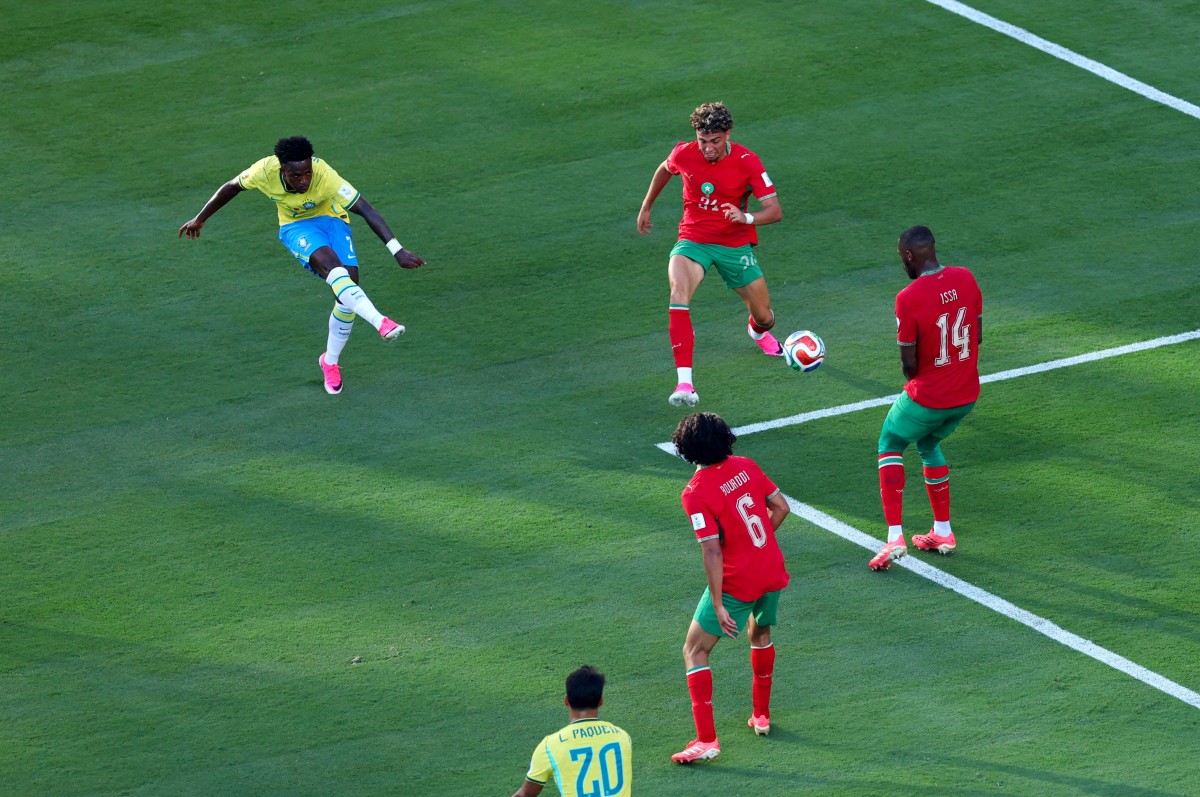
Morocco opened its 2026 FIFA World Cup campaign with a heroic display that will be remembered as the beginning of a new chapter in the nation’s football history. The Atlas Lions earned a precious 1–1 draw against Brazil, the world’s most decorated national team and a five‑time World Cup champion. This result was far more than a point in Group C it was a clear declaration that Morocco is no longer a surprise package, but a genuine global force.
A Draw That Sends a Message
The 1–1 result is not just a point. It is a message: Morocco enters the 2026 World Cup with a new identity, renewed confidence, and ambitions equal to the world’s elite.
Tactical Analysis of Morocco’s Game Plan Against Brazil
1. The Core Idea: Respect Without Fear
Morocco entered the match with a clear plan: No excessive retreat, no reckless pressing — just balance.
-
Defensive organization
-
Controlled transitions
-
Courage in attacking spaces
The team played in a 4‑1‑4‑1, shifting to 4‑3‑3 in possession.
Objectives:
-
Close central channels
-
Force Brazil to the wings
-
Exploit spaces behind the full‑backs
2. Defensive Structure: Compact, Flexible, Intelligent
A. Back Line
Achraf Hakimi and Noussair Mazraoui executed dual roles:
-
Narrowing the central lanes during Brazil’s buildup
-
Surging forward during transitions
Nayef Aguerd and Romain Saïss delivered a mature performance in positioning and ball recovery.
B. Bono… The Tactical Anchor
Bounou was not just a goalkeeper — he was part of the defensive system:
-
Calculated sweeper‑keeper movements
-
Constant communication with the back line
-
Critical saves at decisive moments
3. Midfield: The Heart of the Strategy
A. Amrabat’s Defensive Shield
His responsibilities included:
-
Closing spaces in front of Vinícius and Rodrygo
-
Preventing Brazil from attacking through the middle
-
Clean first passes after recovery
B. Saibari & Díaz… The Engines of Transition
-
Saibari operated between the lines, attacking spaces behind Casemiro
-
Díaz orchestrated fast vertical transitions
Together, they formed Morocco’s most dangerous offensive weapon.
4. Attacking Transitions: Speed and Boldness
Saibari’s goal perfectly illustrated Morocco’s transition model:
-
Ball recovery in midfield
-
Immediate vertical pass from Díaz
-
Saibari attacking the open space
-
Reading Alisson’s advanced position
-
A technically brilliant lob finish
Morocco did not settle for defending — they actively sought a second goal.
5. Pressing Strategy: Medium Block, Not High Press
Walid Regragui opted for a medium press:
-
To avoid exposing space behind the defense
-
To slow down Brazil’s buildup
Pressing began once the ball entered the middle third, directing Brazil toward the less dangerous wide areas.
6. Mentality… Morocco’s Greatest Victory
The Atlas Lions displayed:
-
Courage
-
Discipline
-
Tactical maturity
-
Control of rhythm
-
A strong collective identity
They were not reacting — they were competing.
Tactical Conclusion
Morocco delivered a world‑class performance built on:
-
Defensive solidity
-
Tactical intelligence
-
Rapid transitions
-
Strong personality
-
Perfect exploitation of space
And they came very close to a historic victory.


