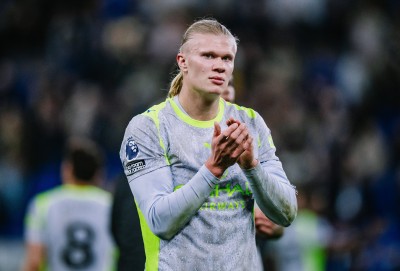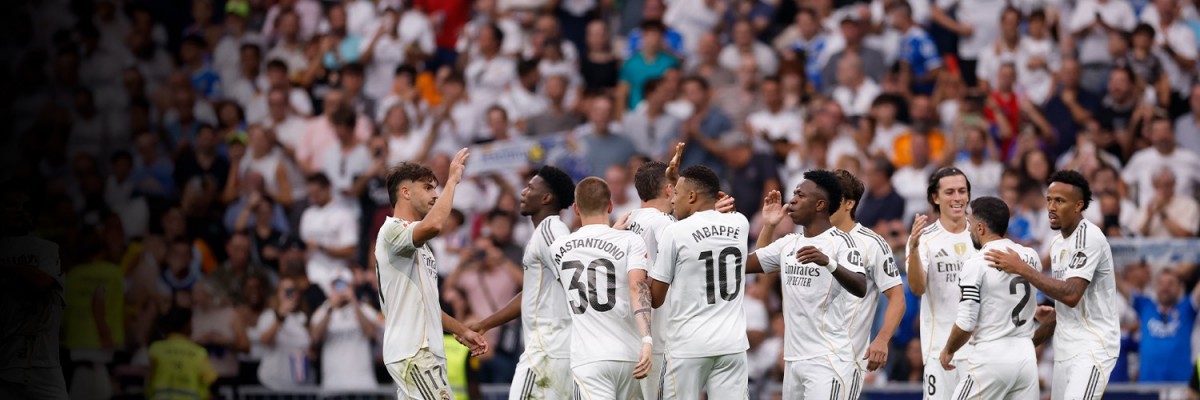
Real Madrid’s exit from the Champions League has become a major media shock across the Spanish and European press, which did not treat the result as an ordinary defeat but as a stunning collapse for a club historically associated with continental dominance. Between harsh headlines and sharp analysis, it was clear that the outcome reopened both tactical and psychological questions inside the club.
Marca devoted extensive coverage to the defeat, writing that Real Madrid had “lost its European identity,” and arguing that the team was no longer capable of turning matches around in decisive moments. It added that defensive mistakes were no longer exceptions but had become a recurring trait, and that the solidity that built the club’s history had vanished at the most sensitive moments. It also stressed that the team lacked a leader on the pitch and did not show the expected reaction after falling behind.
AS went even further, describing what happened as a “complete tactical collapse,” saying Real Madrid did not understand the rhythm of the match and failed to impose its style at any stage. The paper said the midfield was absent, with no pressing or organization, allowing the opponent to control the game fully. It added that the team looked fragmented, without clear attacking sions and without the ability to protect its defensive areas, claiming the coach lost the battle of details.
Mundo Deportivo focused on the atmosphere inside the squad, saying tension between the players was obvious and that body language reflected frustration and a lack of confidence. It wrote that the team did not play as a unit, but as individuals each trying to solve the problem alone, and said the spirit that powered previous comebacks was missing this time.the-independent+1
Sport chose the headline “Real Madrid in the wind of doubt,” arguing that the elimination revealed a deeper crisis than just the loss of one match. It said the team is going through an unclear transitional phase, that the tactical choices are no longer convincing, and that many players were below the level required for such a game.
The Madrid-based press was no less severe, with reports suggesting the dressing room was tense after the match and that some players exchanged blame, amid a broader sense that the team had wasted a winnable opportunity.
At European level, L’Équipe described the result as the downfall of a team that relied too heavily on its history, saying overconfidence had become a weakness and that Real Madrid did not show the required seriousness. It added that the opponent was more organized and disciplined and deserved to qualify without debate.sports.
In England, The Guardian framed the match as a revealing moment, saying Real Madrid is no longer the team that frightens Europe, and that the gap with rivals has clearly narrowed. It also noted that the psychological edge that defined the club for years was absent.
BBC focused on the technical side, saying Real Madrid clearly lacked balance and failed to connect its lines, especially between defense and attack. It added that individual errors were costly and that the team did not show the ability to cope with the pressure of big matches, describing the contest as one of the season’s most dramatic games but also one that exposed many weaknesses.
Across the board, several outlets praised the opponent, saying the team that eliminated Real Madrid played with strong personality, imposed its rhythm from the start, and exploited every mistake. The press summed up the story with blunt headlines such as: “Real Madrid without spirit,” “Collapse at the decisive moment,” “A team that lost its personality,” and “The end of European prestige, at least for now.