By Dr. Talal Osman
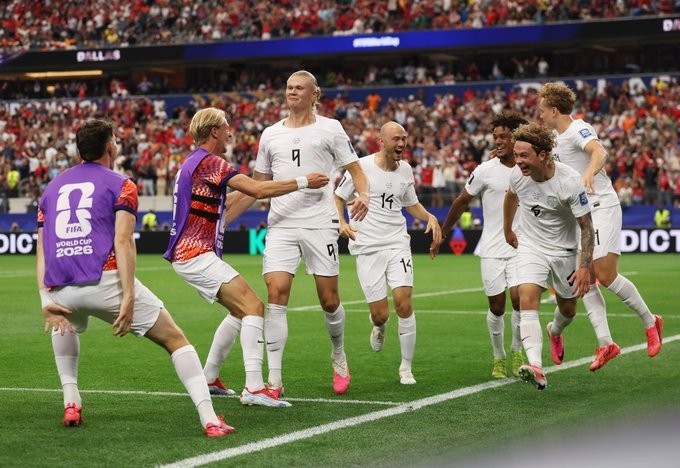
Norway secured a valuable 2–1 victory over Ivory Coast in their 2026 FIFA World Cup clash, delivering a performance marked by tactical discipline and efficient game management. The match showcased contrasting styles: the physical, high‑tempo approach of the Ivorians against the structured, methodical rhythm of the Scandinavian side. Ultimately, the ability to control fine details proved decisive.
First Half: Ivorian Advantage and a Calculated Norwegian Response
Ivory Coast began the match with clear attacking intent, relying on pace in wide areas and aggressive pressing. Their early dominance resulted in a well‑constructed opening goal that provided momentum and confidence.
Despite falling behind, Norway remained composed. The team absorbed the Ivorian pressure through organized defensive positioning and gradual build‑up play. Their patience paid off when a coordinated attacking sequence exposed gaps in Ivory Coast’s defensive transitions, leading to the equalizer. The first half concluded with both sides displaying balanced competitiveness.
Second Half: Norwegian Control and Decisive Execution
The second half witnessed a noticeable shift in tempo. Norway asserted greater control in midfield, capitalizing on a visible drop in Ivorian physical intensity. By exploiting the spaces behind the full‑backs, the Norwegian side created sustained pressure that culminated in a precise long‑range strike to secure the lead.
Ivory Coast attempted to respond in the closing stages, but a lack of sharpness in the final touch—combined with Norway’s defensive solidityprevented any change in the scoreline. The result strengthens Norway’s position in the group, while Ivory Coast must address defensive transition issues ahead of upcoming fixtures.
Norway demonstrated maturity and tactical clarity, proving capable of navigating challenging matches with efficiency. Ivory Coast delivered strong phases of play but lacked precision in decisive moments. The Norwegian victory provides crucial momentum, while Ivory Coast faces the urgent task of refining defensive organization before their next test.