By Dr. Talal Othman
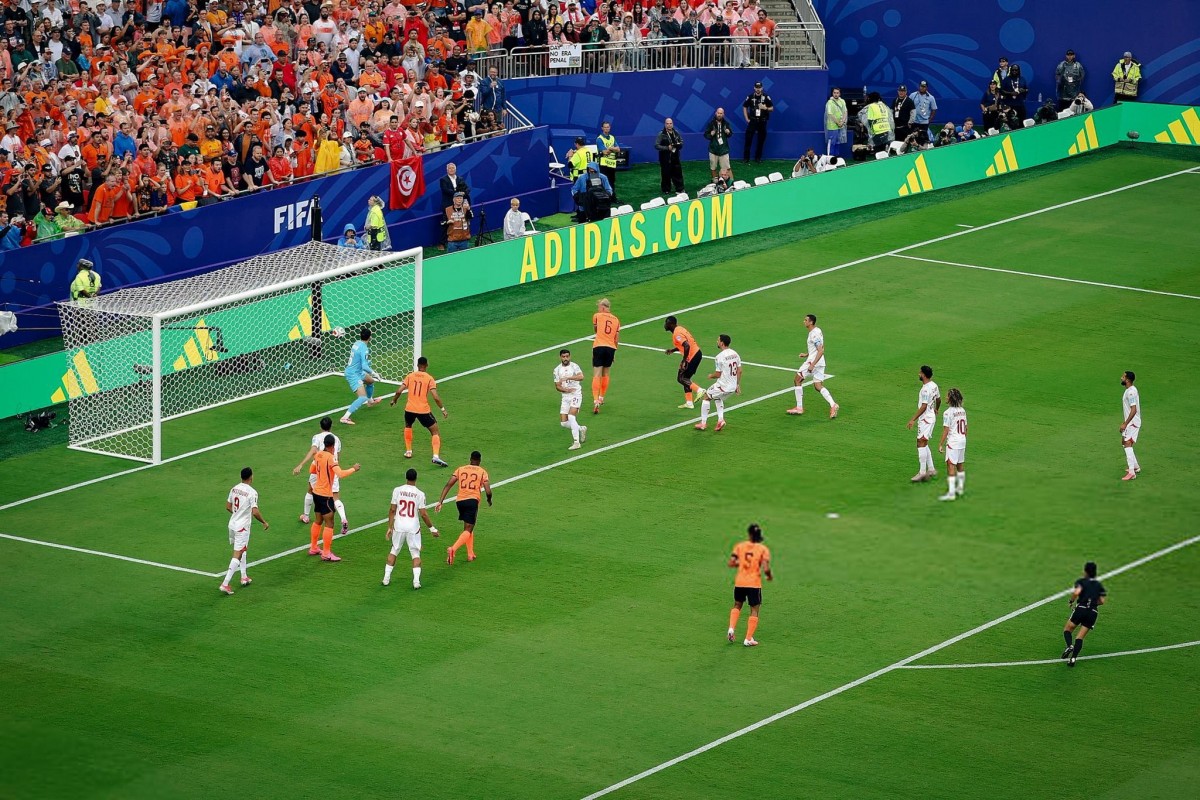
The Tunisian national team exited the 2026 World Cup finals in painful fashion, suffering their third consecutive defeat in the group stage — this time against the Netherlands by three goals to one. The match highlighted the wide gap between the ambitions of the “Eagles of Carthage” and what they actually delivered. A Confused Start… and an End That Closes the ChapterTunisia entered the match with zero points and the heavy burden of two harsh defeats: 5–1 against Sweden and 0–4 against Japan. Despite the new coach Hervé Renard’s attempt to instill a sense of pride in his players before the final game, reality proved harsher than any promises.The Tunisian net was breached twice in the first seven minutes:
- An own goal by Ellyes Skhiri following a cross from Denzel Dumfries
- A second goal by Brian Brobbey after defensive chaos in dealing with a set piece
Attempted Comeback… Then Another CollapseIn the second half, Hazem Mastouri reduced the deficit with a beautiful header from a corner kick. However, the Dutch response was swift, with Van Hecke exploiting yet another defensive positional error to restore the two-goal advantage.Tunisia tried to respond through a powerful shot by Hannibal Mejbri, but the Dutch goalkeeper was equal to it, while the crossbar denied a shot from Rijnders. Merciless Statistics
- 3 defeats
- 10 goals conceded
- Only 2 goals scored
- Zero points
- The identity of the national team
- The quality of the current generation
- The lack of technical stability
- Weak tactical organization
- Netherlands: 4-3-3 transforming into 3-2-5 during possession
- Tunisia: 4-2-3-1 transforming into 4-4-2 when pressing
First Goal (3rd minute): Positional error + poor reading of the cross
The absence of a player to close the half-space between the full-back and centre-back — an area the Dutch exploited throughout th
- Dumfries advanced into the space behind Tunisia’s left-back
- Skhiri returned late and with wrong timing
- Lack of communication between Skhiri and Ben Slimane led to the own goal
The absence of a player to close the half-space between the full-back and centre-back — an area the Dutch exploited throughout th
Why the Netherlands Succeed
Organised high press Exploitation of spaces behind the full-backs
Clear physical superiority Speed in attacking transitions
Higher quality in the final third The Netherlands controlled all phases of the game. Tunisia showed a clear lack of personality in big matches on the actual pitch.
Clear physical superiority Speed in attacking transitions
Higher quality in the final third The Netherlands controlled all phases of the game. Tunisia showed a clear lack of personality in big matches on the actual pitch.