When Al Ahly Dared to Provoke the Camp Nou — And Its Prodigal Son Struck First
By Dr. Talal Othman Sports Media Specialist
Barcelona, 19 August 2026
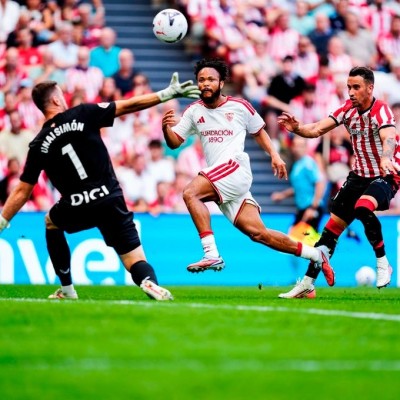
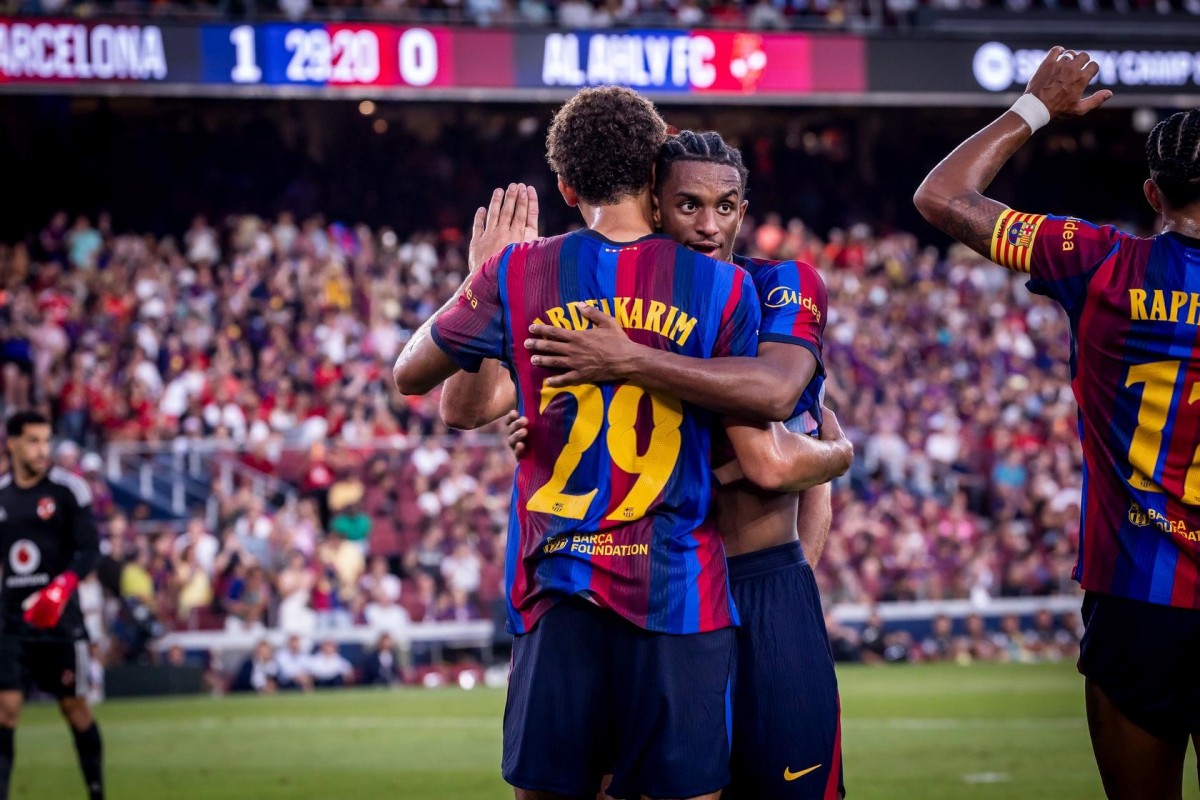
There are nights when football, with a mischievous hand, writes its own ironies. Hamza Abdelkarim stood before the net that had once celebrated his every goal, now wearing the red and blue of Barcelona, and buried the ball past it — before freezing his body, refusing to celebrate. It was no fleeting moment in a routine friendly. It was, in miniature, the whole story of an extraordinary night at the Spotify Camp Nou, where Barcelona hosted Egypt's Al Ahly in the 61st edition of the Joan Gamper Trophy, and where the Catalan giants emerged, not without difficulty, 2-1 winners.
At its core, this was never purely a footballing occasion. It was a genuine slice of history: for the first time in the sixty-one-year lifespan of this storied tradition, an African club was granted the honour of standing on Camp Nou turf as Barcelona's guest. The choice fell on Al Ahly, the most decorated club on the African continent, cast as an ambassador for African football in a fixture long reserved for the grandees of Europe and South America. That detail alone was enough to lend the match a significance far beyond its scoreline.
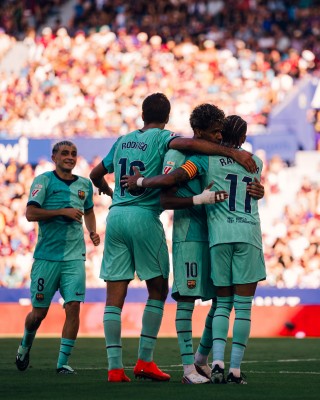
Yet the most human story of the night belonged to Hamza Abdelkarim himself. The young Egyptian, who came through Al Ahly's academy before making the move to Barcelona during the last winter transfer window, suddenly found himself leading the attack of one of the greatest clubs on earth ahead of Lamine Yamal himself, and ahead of the club's new captain, Raphinha. When he opened the scoring in the 29th minute, it felt as though fate wanted to remind him, and remind everyone watching, that the road from Cairo's pitches to the heart of Europe was no longer an impossible dream. His refusal to celebrate was not indifference it was an act of loyalty to the club that raised him, the kind of human touch that separates a passing player from a star who keeps hold of his roots.
Before the break, Raphinha doubled the lead from the penalty spot in the 45th minute, handing Hansi Flick's side a comfortable two-goal cushion at half-time in a match that also carried a celebratory air of its own, with the official presentation of new signing Rodri to the Barcelona faithful, even though he was absent from the matchday squad, having arrived in the city only the day before. Other notable absentees included Anthony Gordon, Karim Adeyemi and Jesse Bisiou, a sign that Flick is still managing his pre-season build-up with caution, choosing to give game time to a young academy graduate like Hamza Abdelkarim over players who had only just walked through the door.
But Al Ahly, despite the clear gulf in technical quality, refused to play the role of the timid guest on the grandest of stages. After the restart, and with five changes made by Moroccan head coach Hussein Ammouta, the Egyptian side regained a measure of composure, until Ahmed Sayed Zizo's moment arrived in the 51st minute, pulling one back and handing the travelling Egyptian supporters a genuine moment of pride deep in a European giant's own back yard. The irony was that the joy came laced with pain: Zizo was forced off with an injury only minutes after his celebration, a harsh reminder that football rarely hands out its joys unmixed with sorrow.
The match ended 2-1 to Barcelona the final test for Flick's side before the start of their official La Liga campaign. But the scoreline alone cannot capture what this night truly meant. Camp Nou witnessed an extraordinary African presence that broke a sixty-one-year monopoly; it witnessed the story of a young player standing on the delicate line between loyalty to his roots and ambition for the summit; and it witnessed an Egyptian club prove that its presence on such a stage was no courtesy invitation, but an entitlement earned through decades of African silverware.
Between a goal that went uncelebrated and a goal that brought pride laced with pain, this friendly stood as testimony that football, when geography intersects with personal memory, becomes something far more than a result forgotten within days on a scoreboard.