World Cup 2026… A Tournament That Generated Profits and Left Storms
Analytical Report by Dr. Talal Othman
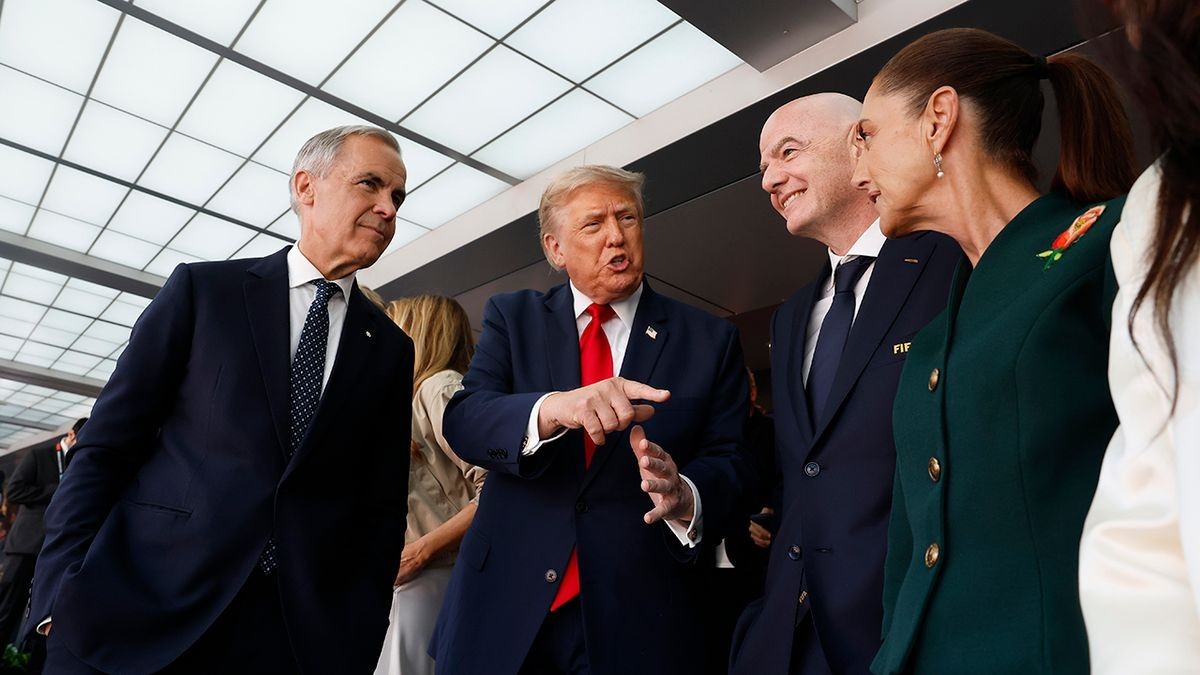
US President Donald Trump and FIFA President Gianni Infantino attended the closing of the longest and most controversial World Cup in history a tournament that blended unprecedented commercial success with the biggest wave of criticism directed at FIFA in decades.While the international body celebrated record-breaking revenues and viewership figures that exceeded all expectations, other voices accused the organizers of politicizing football, prioritizing money over competitive fairness, and damaging the spirit of the game.Trump’s Policy… A Heavy Shadow Over the Tournament
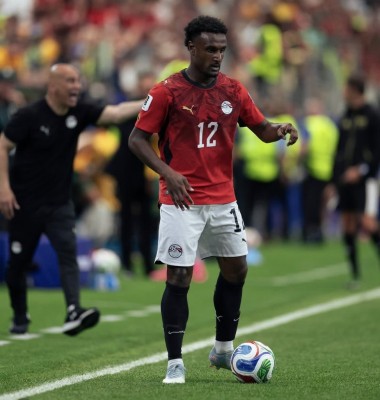
The organizing committee failed to neutralize the political tension that accompanied the World Cup, particularly regarding the US administration’s decisions toward some participating nations. The most sensitive scene was Iran’s participation, where politics dominated the treatment of the delegation, including restrictions on the movement of its members inside US territory a precedent unseen in modern World Cup history.The exclusion of Somali referee Omar Artan after being denied entry into the United States was another black mark for the organizers. The decision appeared to contradict FIFA’s principles, which emphasize the complete separation of politics from refereeing to ensure justice and equality.Presidential Interference in a Refereeing Decision… A Historic Incident
The most dangerous incident was US President Donald Trump’s intervention to cancel a red card received by American player Folarin Balogun. The move sparked a global storm of criticism, especially after similar treatment was denied to other national teams.This incident will remain linked to Gianni Infantino’s name, just as the cancellation of France’s goal against Kuwait in 1982 remains linked to Sheikh Fahd Al-Ahmad stepping onto the pitch.
The difference is that the 2026 incident occurred in the era of full professionalism, in a tournament that was supposed to be shielded from any direct political interference.The Bright Side… America Impresses the World Organizationally
Despite all the negatives, the North American World Cup delivered an unprecedented level of organization. FIFA benefited from the superiority of American companies in marketing and event management, making fan zones, musical performances, and spectator experiences inside and outside the stadiums a qualitative leap in hosting history.This American imprint will set a new standard for future editions, having raised expectations to a level that will make anything less difficult to accept.Tears Worth Billions… Farewell to the Golden Generation
The tournament witnessed emotional moments marking the end of the road for top stars: Neymar, Ronaldo, Messi, Modrić…
An entire generation bid farewell to the World Cup forever in tearful scenes that will remain part of the tournament’s memory not only emotionally, but also in terms of the massive marketing value these stars represented over the past two decades. Spain… The Beginning of a New Era?
On the other hand, Spanish dominance appears set to continue, with an average squad age of just 25.2 years and a squad full of some of the world’s brightest talents.
The numbers recorded by “La Roja” during the tournament suggest the team is well-equipped to compete strongly in 2030, which Spain will co-host — opening the door to a historic scenario: a country winning the World Cup and then hosting the next edition.Conclusion
The 2026 World Cup was a tournament that was commercially massive, organizationally impressive, and politically turbulent.
It succeeded in creating an unprecedented fan experience, but failed to protect the independence of the game, ensure competitive fairness, and prevent politics from infiltrating the heart of the event.It was a version that generated huge profits… but failed to create consensus.